Site Prep: What to Anticipate from a Fence Company
A fence looks simple from the road. You see lines, posts, rails, perhaps a neat entrance swing, and you presume the hardest component is choosing a style. But when the fence company shows up, the real work begins before a single board gets cut. Site preparation is where the task either goes efficiently or develops into a week of "we thought that would be very easy."
If you desire a mount that feels great, consistent, and fairly paced, it assists to understand what website preparation involves, that is in charge of what, and what you should get out of the fence company group once they show up. Right here's the functional, real-world sight I have actually gained from viewing jobs advance at complete rate and from dealing with the slow-motion disorder that happens when ground truths surprise everyone.
The fence company's first work is discovering your site
Even before devices appeared, a strong fence company treats the residential property like a map. They are searching for things that impact design, article depth, line-of-sight, and drainage. That means examining edges, measuring distances, and validating fence line positioning with what was created. On numerous jobs, the crew arrives with a strategy however not blind faith.
You could have a study, or you might have stakes that originated from an old border disagreement resolution. In any case, the team requires to confirm that the line makes good sense on the ground. Trees and inclines do not care about drawings. Over time, fences can lean due to the fact that dirt moves, origins nudge messages, and runoff patterns transform. Good crews look for clues like worked out ground, soft places, and locations where water stands after hefty rain.
I keep in mind one installment where the documentation showed a straight run, however the home had a minor "stubborn belly" in the middle. The fence line would certainly have looked penalty on paper, yet that dip would certainly have developed irregular top rail elevation and a gate that would not lock as cleanly. The crew flagged the problem early, determined once more, and readjusted the design. Nobody likes change orders, but that kind of change avoids the hideous version of the "after" photo.
Permits, plans, and limit realities
Site preparation usually consists of validating that the task is allowed which the fencing line respects local guidelines. Some areas have height limits for front yards, spacing needs near easements, and certain regulations for products. A fence company will generally direct you on what their process calls for, however the precise duty relies on neighborhood permitting standards and what your arrangement covers.
Boundary concerns are the various other big one. If you have a current land study, that aids a whole lot. If not, the fence company may ask you to confirm corner pens, residential property lines, or existing boundary arrangements. It prevails for neighbors to differ concerning where the line is, especially if there utilized to be a fencing long ago that was developed without clear reference points.
When a staff risks a line and you discover something that feels "off," do not shrug it off. Ask inquiries right then. It's much easier to fix limit unpredictability before articles ready than after concrete is involved.
An excellent fence company will certainly likewise discuss gateways and gain access to. If an entrance opens up toward a fence line corner, it transforms the post placement and occasionally the rail spacing. If you prepare to park a lorry near a gateway or swing vast doors nearby, the staff will readjust the design to avoid clearance troubles later.
Utilities: the silent deal-breakers
If there's one part of preparation that can make a seasoned team relocation very carefully, it's buried utilities. You're not just digging holes. You're entering a world of high-voltage line, cable television, irrigation, and potentially natural gas or other solutions. Hitting an energy can quit the job right away and develop severe safety and security risk.
A fence company ought to coordinate utility locating via the suitable process in your location. In many places, the criterion is to request a locate prior to excavating. The find marks are not "a recommendation," and they don't assure whatever is discovered completely. They reveal understood or believed lines based on energy documents and field mapping. That suggests crews still dig with care and confirm as they approach.
What you can do as the property owner to make this smoother is share any details you currently have. If you know where a lawn sprinkler controller runs, where a cable line was just recently fixed, or where a buried downspout drains, inform the crew. These details can save time and protect against near-misses.
Site conditions that change the entire job
The minute you tip outside during preparation, you start noticing problems that impact everything from exactly how deep articles have to go to how the fence will certainly look as soon as it's completed. Dirt kind, incline, and drainage are the big three.
Clay dirt can hold form for a while, yet it likewise heaves with dampness modifications. Sandy soil drains pipes quickly yet can be loosened, specifically if it has a lot of fill. Rocky dirt can slow excavating and raise the chance that a post requires to go around stone as opposed to straight down.
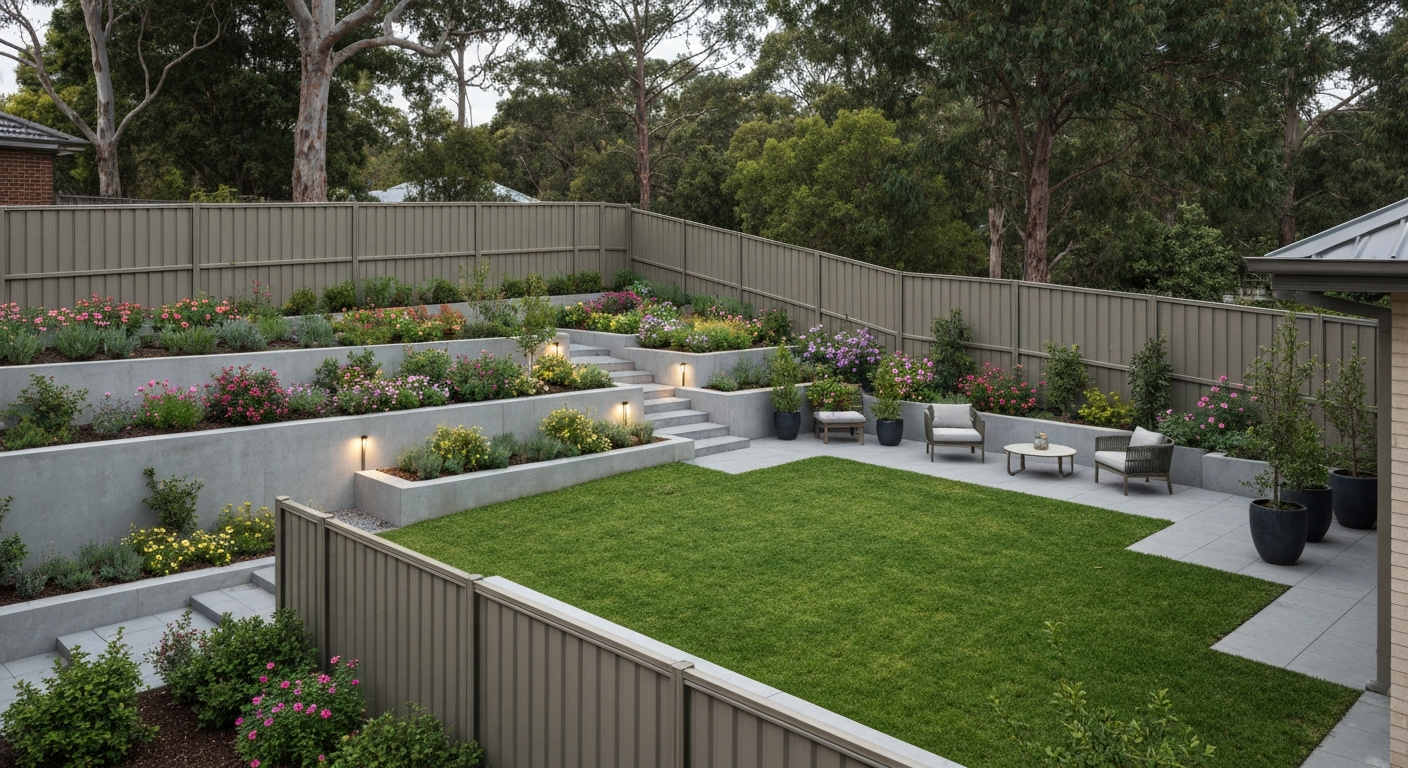
Then there's slope. A residential property that goes down even a number of feet over a short run modifications your choices. Some fencings make use of step-down areas, while others utilize a sloped top rail design. Both can look excellent, yet one generally needs even more planning and often different equipment to maintain the fence aesthetically consistent.
Drainage matters in a more subtle means. If water flows towards the fencing line, the dirt near articles can soften. If overflow is concentrated after storms, articles may settle unevenly. A fence company that's paying attention will look at rating patterns and adjust. Sometimes that means altering where the fence line beings in relation to a low area, sometimes it implies planning for better message embedment, and often it means suggesting a drain remedy if it's a persistent problem.
Clear access and the "staff math"
Fence installs are labor-intensive, and prep isn't just about digging. It's likewise regarding staging products, relocating equipment, and obtaining individuals where they require to be without harmful yards or landscaping.
If you have a narrow side yard, the fence company could require to haul materials longer distances. If you have lawn sprinkler lines that run near where equipment would typically travel, they might restrict equipment motion and button to hand approaches in delicate areas. Trees and shrubs can additionally shape just how the team functions. If the job is near a fully grown tree, the firm may avoid trenching around roots and change post positioning accordingly.
Expect the fence company to inquire about access points: where the truck can park, where products can be organized, whether gates or fencings restrict movement, and how close they can bring devices to the work zone. It seems standard, yet a couple of choices early on can stop hours of lugging and reorganizing later.
If you want the job to really feel "adventurous" in a great way, indicating fast and energetic, treat accessibility like component of the routine, not an afterthought. Clear the path. If you have hose pipes, sprinklers, pavers, or garden beds along the fence line, relocate what you can, and allow the fence company recognize what you 'd choose them not to disturb.
Protecting landscape design and planning for mess
A fence job will certainly create disturbances. Foot traffic compacts soil. Article openings and concrete produce spin. Also when the staff bewares, the job area needs to recover.
A fence company that cares about your property will prepare for protection. That might consist of setting short-lived coverings in particular areas, working from established paths, and utilizing regulated equipment where needed. They need to also plan for debris elimination, due to the fact that secure fencing materials do not magically disappear.
As a home owner, your duty is partially communication. Tell them where your watering heads lie, where sensitive plants rest, and what locations you think about off-limits. If there's a blossom bed you want preserved, request for an approach that restricts disturbance. You may not get "no effect," but you can usually bargain "much less effect."
One job I watched stalled since the crew maintained hitting a buried sprinkler line each time they attempted to dig from a particular angle. They readjusted their approach after a quick conversation, and the second day went smoothly. That's just how site prep turns into energy, not frustration.
How fencings obtain laid out: risks, dimensions, and adjustments
Before the team starts establishing articles, they typically lay out the line. You may see stakes, string lines, and noting paint. This is where you verify the layout, see the alignment, and discover anything that looks strange.
This phase is often more interactive than people expect. If you have edges, a contour, or a gateway place, your input aids. Also if you rely on the strategy, you intend to validate that the fencing line matches your assumptions. A fencing can be flawlessly "accurate" and still not match what you wanted visually.
If you're building near a walkway, a patio, or a driveway apron, small offsets can have large consequences. One-inch choices can create spaces where panels fulfill, uncomfortable rail changes, or gateway clearance problems. The fence company need to explain why they're putting blog posts where they're placing them, and you ought to feel comfortable asking for clarification.
Here's what I suggest throughout design: walk the line slowly, look for sightlines, and examine that the fencing will certainly not cut via something you care about. If you have a particular view you such as, like framing a yard tree or lining up with a corner you can see from inside your house, state it. The team can typically incorporate that sort of preference while the project is still flexible.
The sensible series of prep to installation
Every fence company has its very own workflow, but the general arc is pretty constant. You can consider it as a funnel: broad choices initially, after that gradually tighter details.
The fence company begins with dimension and design. Following comes energy control and noting. Then the team prepares the ground, which can involve cleaning greenery, getting rid of old fence materials, and sometimes attending to existing concrete or hidden barriers. After that, article holes obtain dug deep into, and messages get set with the proper method for soil and fencing kind. Once articles are secure, rails and panels go on, and after that gates are changed last since they call for one of the most "fine tuning" in the field.
You may also require to handle material staging and timing decisions, specifically if you're waiting on licenses or if the delivery arrives in partial lots. If your job includes removal of old secure fencing, the order changes slightly, because demolition prep consists of disposal logistics.
The most usual factor fences really feel delayed is not a lack of initiative. It's waiting on one piece of the funnel, normally energies, allow verification, or a postponed product arrival. If you understand those bottlenecks, you can maintain your expectations aligned.
What you must do before the crew arrives
You don't require to become a specialist, yet a little property owner preparation assists the fence company do their ideal job. The goal is to lower shocks and quicken the first day.
- Confirm the fencing line and entrance place with any type of markings you have, consisting of survey or formerly bet points
- Clear accessibility along the job area and move small challenges like planters, patio area style, and hoses
- Tell the fence company about lawn sprinkler zones, drain paths, or any known hidden utilities
- Let them know which locations need to remain untouched, especially yard beds and yard borders
- Have a factor of call readily available, even briefly, for fast decisions throughout layout day
If you have actually currently arranged a day when you'll be home, that matters. You do not need to float, however being readily available for one or two defining moments can avoid rework.
Materials, grading, and why "degree" is a difficult word
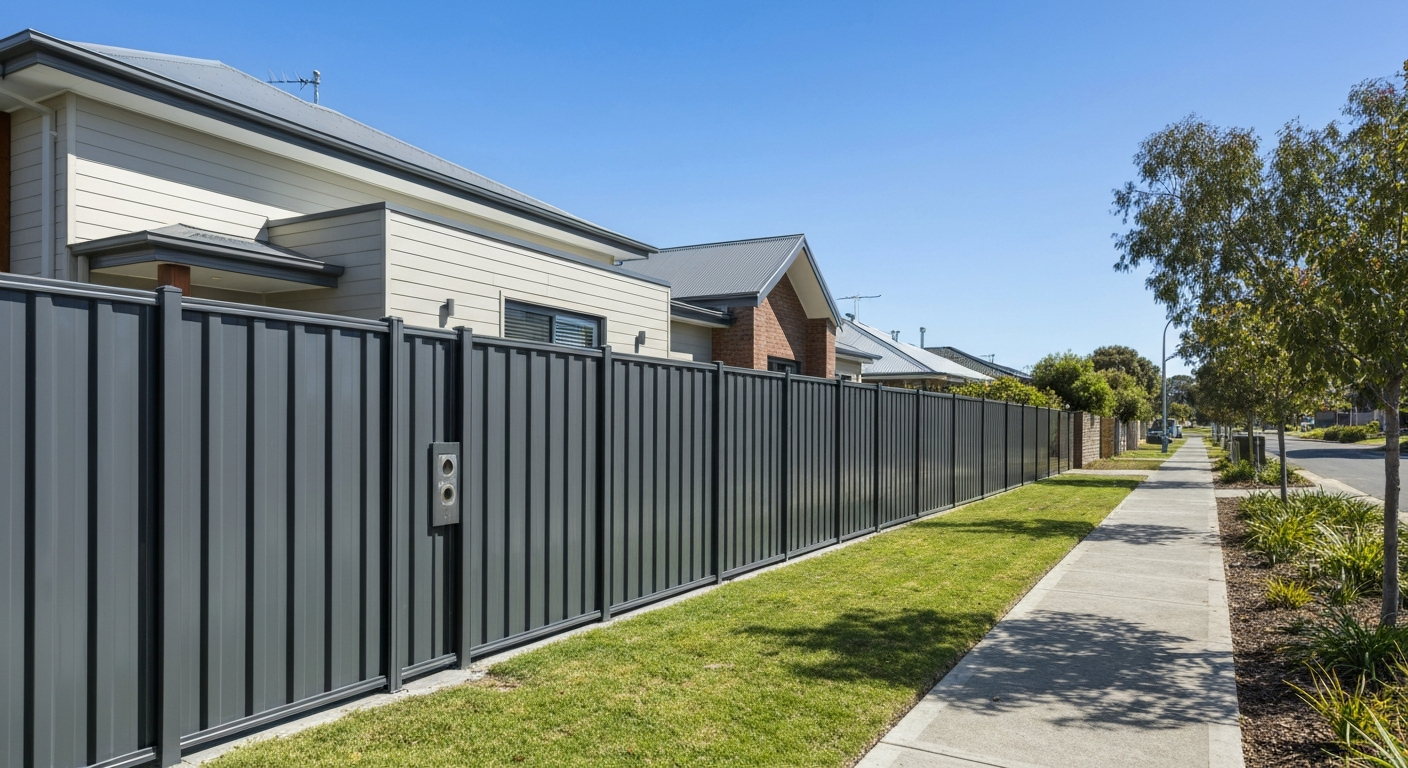
One of the most frequent misunderstandings I hear has to do with leveling. Homeowners commonly claim they want the fence "level." A fence company could build with articles that are set to adhere to quality, due to the fact that it's more architectural and it looks much better on unequal ground. In numerous installments, the fencing top rail will tip slightly to follow the incline. That is typical, and it's not a failing to be level.
What's essential is consistency. If the fence utilizes a step design, the actions ought to appear willful and uniformly spaced. If the fence adheres to surface, panel placement ought to correspond from run to run. This is partly workmanship and partially the fact of ground conditions.
In rocky locations, the team could have to establish a post a little greater or reduced since it can't be pierced straight down. Instead of forcing the article into a spot that produces instability, the far better teams change and keep every little thing lined up with the total aesthetic plan.
This is where you might see the fence company suggest small changes throughout the construct. Those changes usually originate from experience, not from uncertainty. Listen to the reasoning and request an example of what "adjusted" looks like on an examination section.
Safety and operations throughout installation
Fence work is physical and hectic. A common crew will certainly have multiple tasks happening simultaneously, yet safety and security needs to be consistent. That consists of marking the dig area, handling devices, and maintaining concrete handling regulated. If you have children or animals, make sure the work area is not a shock play area.
You needs to likewise anticipate some degree of sound and dirt, depending upon whether the business drills, augers, or utilizes mechanical excavation. If you're delicate to sound, ask about the routine and work hours beforehand. Some firms can be flexible with early beginning times, while others are constrained by delivery windows and crew availability.
A fence company that runs well will certainly connect. They'll tell you what they're doing next off, what materials are getting here, and what they need from you. When that communication is missing, it's generally when projects drag. Not constantly, but often.
Dealing with shocks: the sincere version
Even with great website prep, shocks occur. A buried stone wall surface section may show up where you didn't expect it. A blog post place might drop on an origin cluster that would certainly jeopardize security. An entrance could need rework due to the fact that the ground under the latch location works out a little once the article is set and the fencing fully loads.
The method the fence company handles surprises is a vital indication of quality. The most effective teams do not pretend issues are fictional. They explain what's taking place, explain the choices, and choose the method that maintains architectural stability and the designated look.
If something transforms the cost, range, or timeline, you must get clarity early. Ask how the adjustment impacts the project. Ask what it does to look and resilience. If they can show you the trade-off in genuine terms, it's simpler to rely on the decision.
This is additionally where having your very own assumptions helps. If you desire a flawlessly uniform look also in rocky soil, you might need to approve a more tailored format. If you prioritize expense and speed, the firm might make more traditional positioning selections. Neither method is "incorrect." They just cause different outcomes.
Questions worth asking your fence company
You can lower confusion by asking the right things at the best moment. During preparation and layout, you desire solutions connected straight to your website, not common promises.
- How will you confirm the fence line and limits before messages are set?
- What is your approach for sloped ground, and what will "degree" indicate for this task?
- How do you handle energies and what should I anticipate to see from find markings?
- What does upload establishing resemble in my dirt type, and what's the plan if you hit rock or origins?
- What is your clean-up and debris elimination process at the end of every day and at conclusion?
Good answers sound practical. Vague answers seem like they were copied from a sales brochure. Trust fund the practical details.
After the set up: what site prep appear like when it's "done"
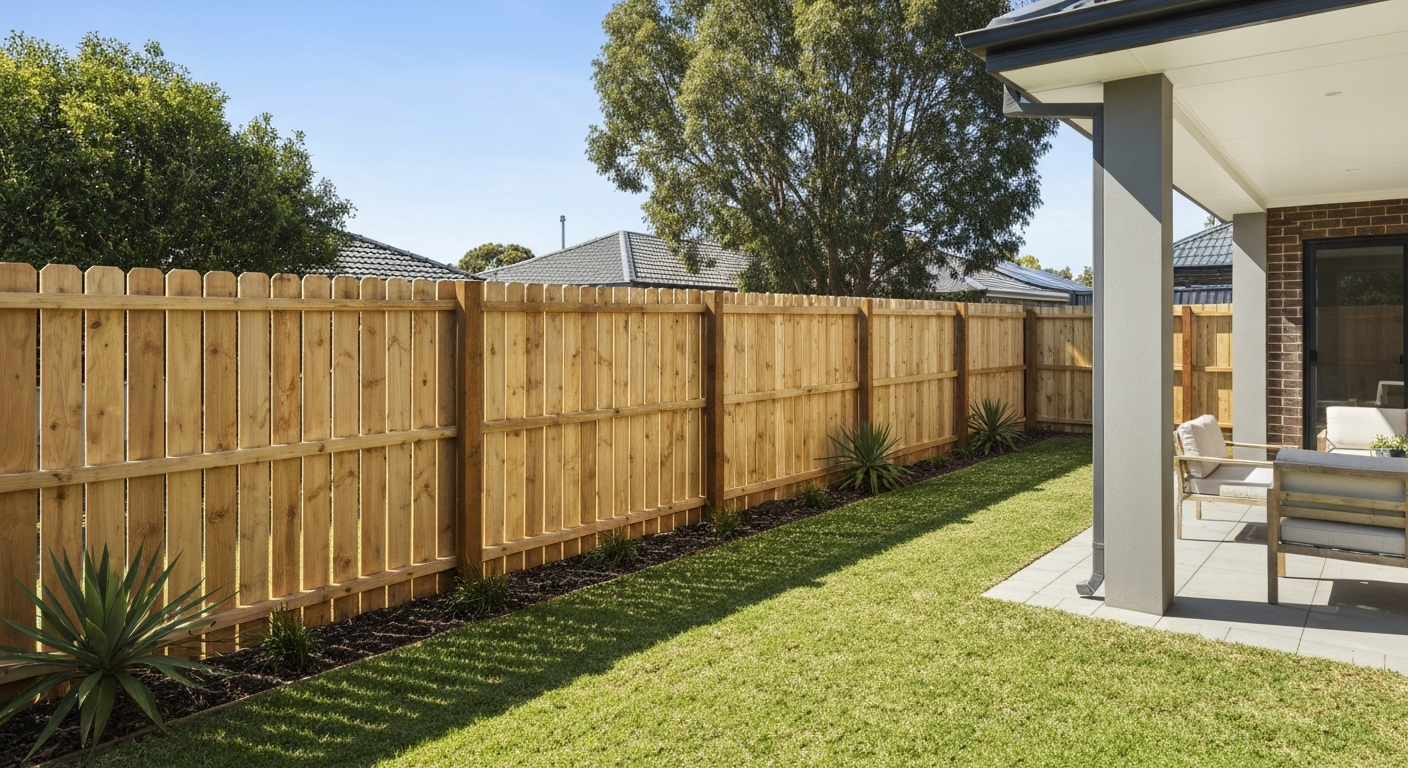
People commonly think website prep ends once messages are established and panels increase. The real end of preparation is restoring order. That includes eliminating remaining stakes, gathering debris, and making sure gateway operation is smooth.
You ought to likewise take note of how the ground is left. If concrete was utilized, the area might require settling time. If the dirt was interrupted, it may lumber fencing suppliers require regrading or reseeding depending upon just how the company managed topsoil. Some firms supply minimal repair, like raking and seed, while others concentrate purely on installation and anticipate the home owner to deal with landscape design repair. Your agreement needs to clarify expectations.
Also keep an eye on drainage. Fencing lines can transform how water behaves, especially if old grading was disrupted or if an earlier fencing had redirected runoff. If you discover water merging near a new blog post run, discuss it. A fast modification or recommendation could protect against lasting concerns like leaning or irregular panel tension.
What a strong website prep process feels like
A terrific fence company prep experience has a particular rhythm. You see measurements and format occur with intent, utilities noted before digging, and the staff interacting what they require and what decisions they're making. The job really feels overseen, not improvised.
When prep is done well, setup does not seem like a wager. It feels like a series of positive actions. You're not thinking why something altered. You're not shocked by missed obligations. And you're more likely to wind up with a fence that looks right, works right, and stands up with weather.
If you take one point from every one of this, let it be this: site prep is not "additional time." It's the foundation of the final result. Treat it like part of the journey, not a delay, and your fencing job will really feel smoother from the initial risk to the last gate adjustment.